Preparatory
Ages 5–6.5
Numbers to 100 and 3-digit, clocks, rulers, money, first word problems, sudoku
9 months, 2× a week, 25 min

Real understanding, not drilling.

Black Friday gifts
30% off + up to 3 bonus months + PDF books

If your child attends a US school
Every right answer makes the next question harder. You can't cram for that — you can only understand it.
Explain, don't guess — kids talk through every step out loud
40–60 minutes of focus — lessons build the stamina an untimed test demands
Real-world math — money, time, schedules, graphs, just like the test
Progress you can see — a check-in every 3 months, right alongside fall, winter, and spring MAP
No drills. No homework. No parent at the table.
Book a demo lesson — the teacher assesses your child's level and shows what to work on next. Free.
MAP Growth is a trademark of NWEA. Abakus is not affiliated with NWEA.
NWEA 2026 norms · MAP Growth Math
Grade K · 5–6
Top 20% 150+
Fall average RIT 140
Preparatory
Grade 1 · 6–7
Top 20% 170+
Fall average RIT 160
Preparatory → Level 1
Grade 2 · 7–8
Top 20% 186+
Fall average RIT 175
Level 1
Grade 3 · 8–9
Top 20% 199+
Fall average RIT 188
Level 2
Grade 4 · 9–10
Top 20% 211+
Fall average RIT 201
Level 3
Most districts select for gifted programs in grades 2–3 — the foundation should be in place by age 7–9.
Checked against NWEA RIT Reference Charts
Mapped to NWEA's MAP Growth Math goal areas, grades 1–4.
Number Sense — place value to fractions
Geometry — symmetry, rotations, 3-D views
Problem Solving — multi-step, with remainders
Measurement — perimeter, area, volume
Algebra — equations, patterns, coordinates
Data — graphs, tables, schedules
By 3rd grade, your child solves what MAP tests in grades 3–4.
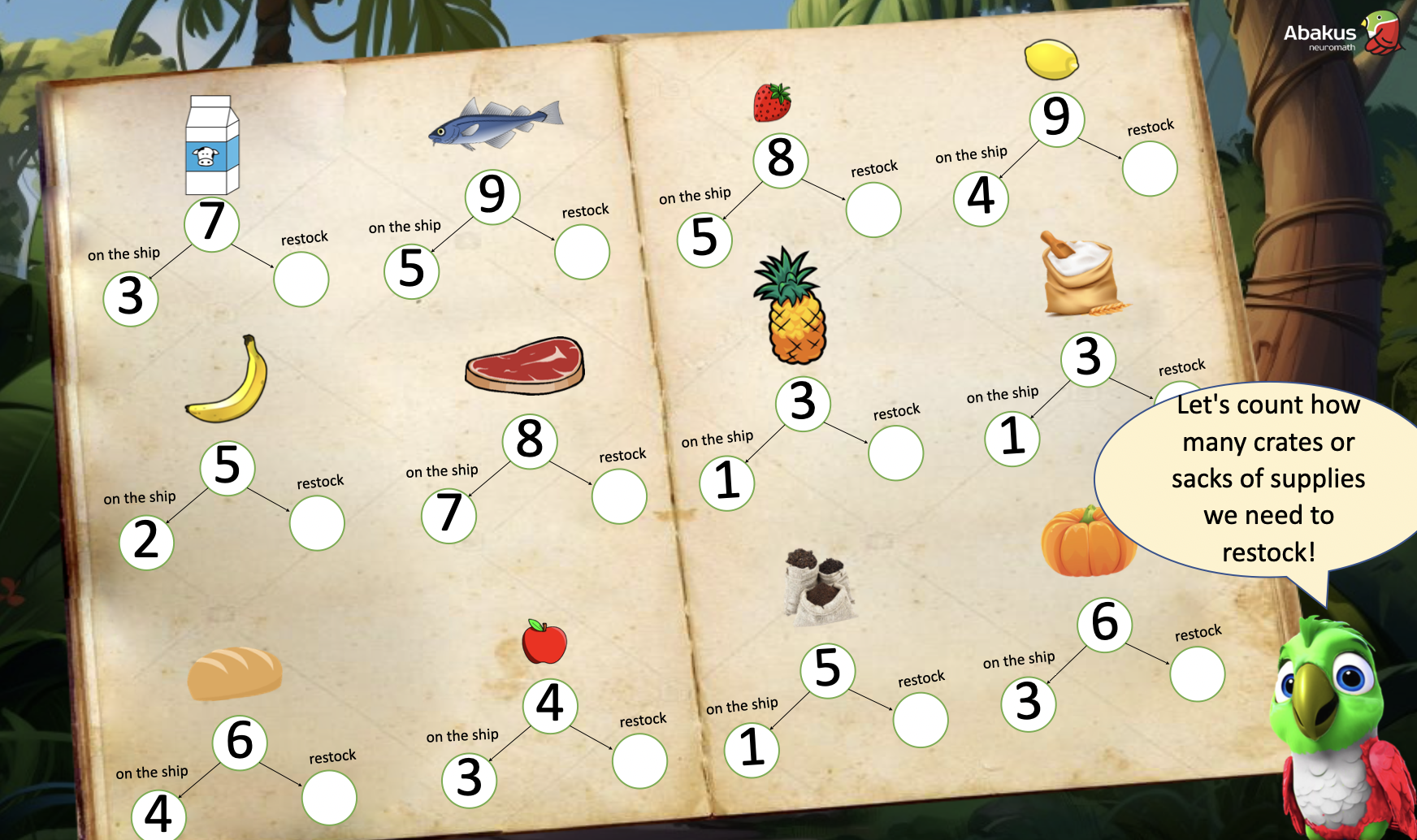
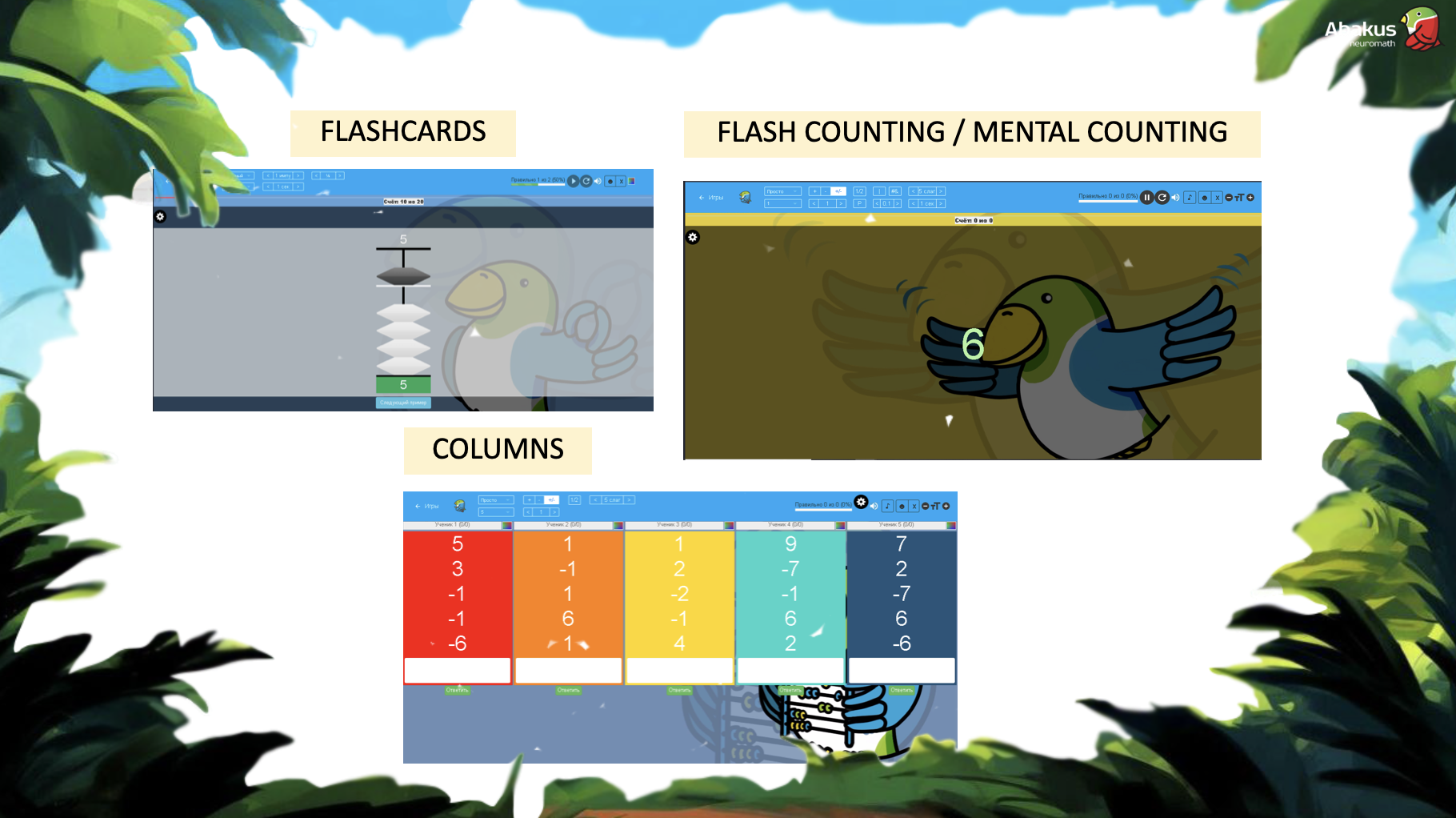
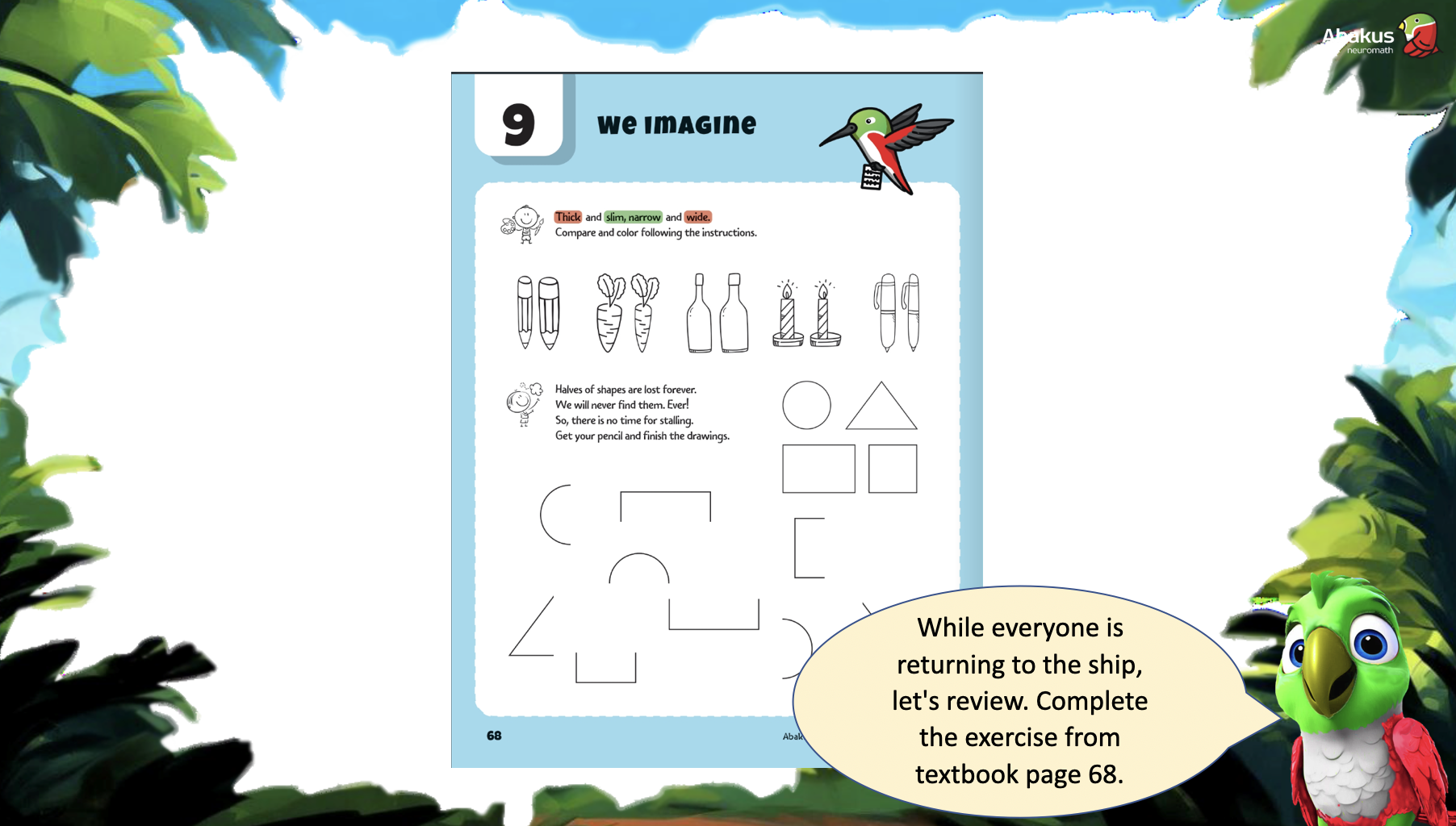
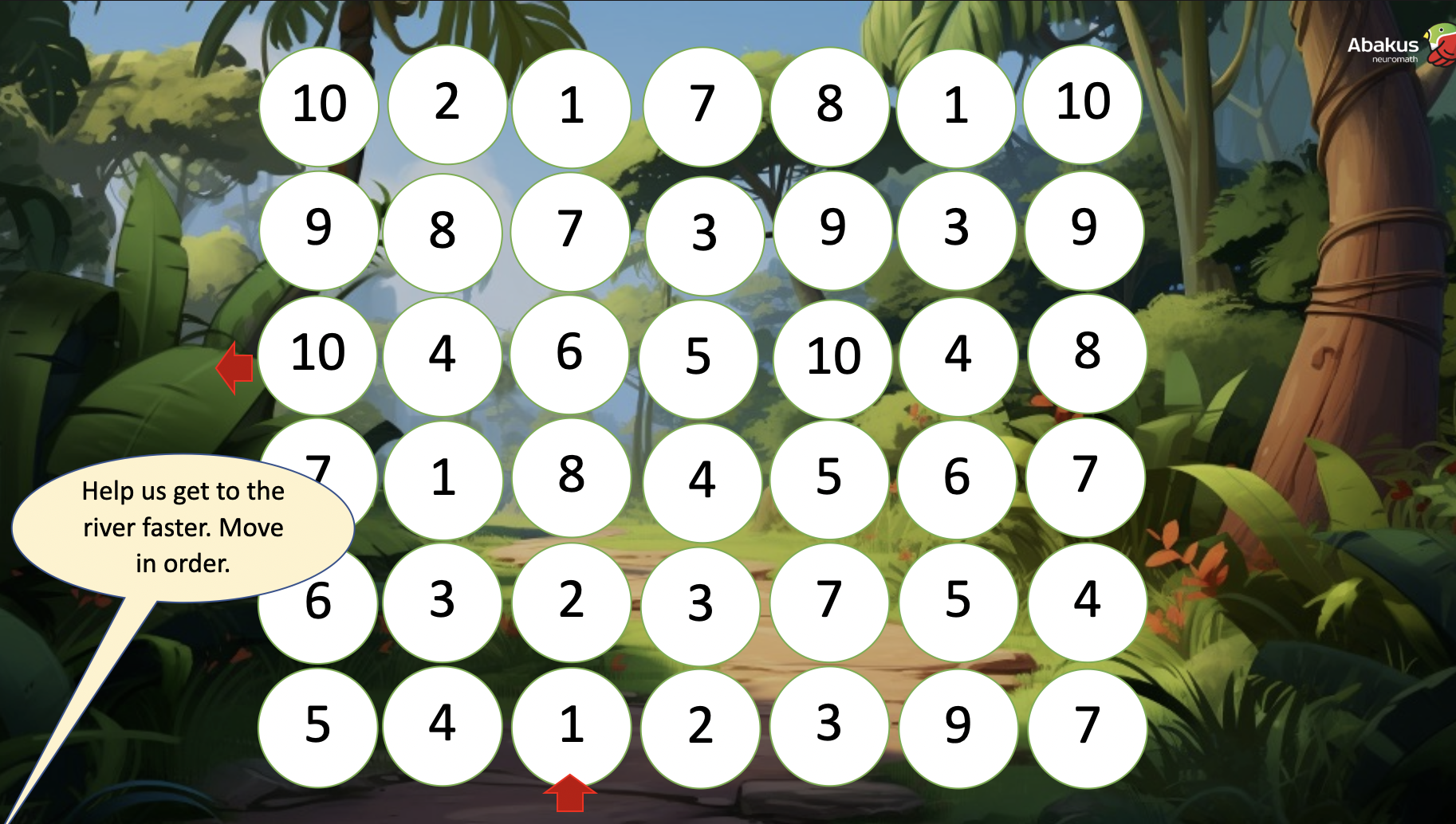
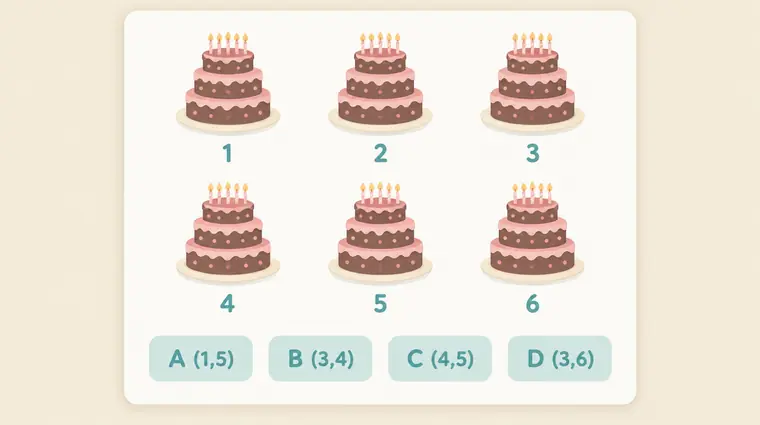
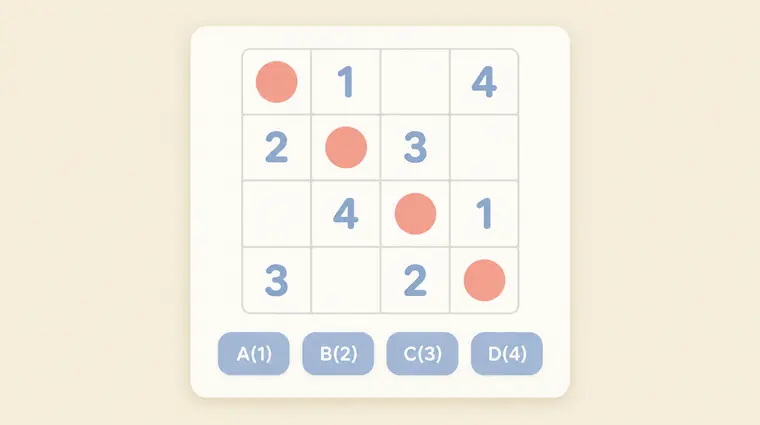
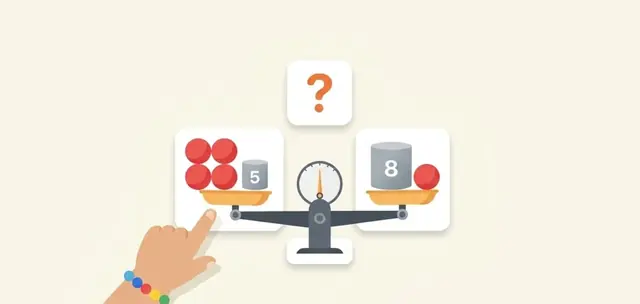
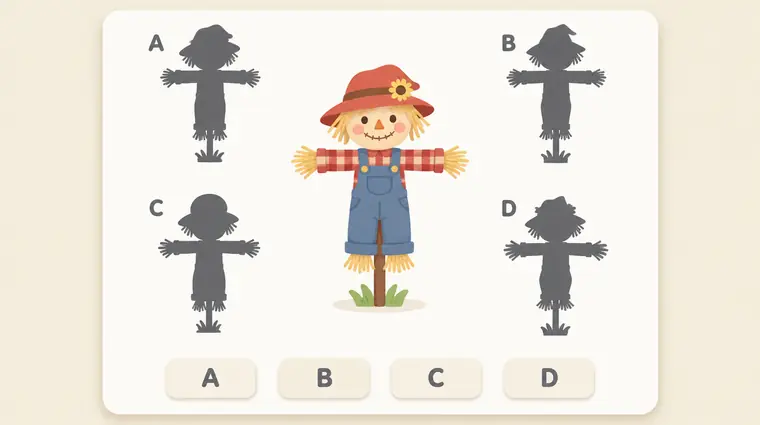
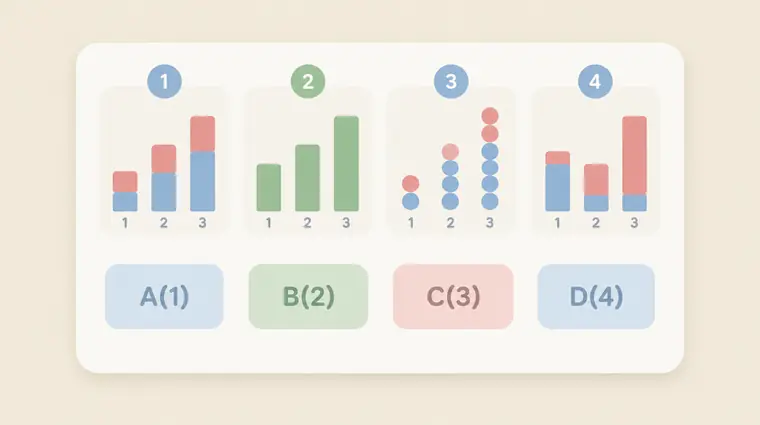
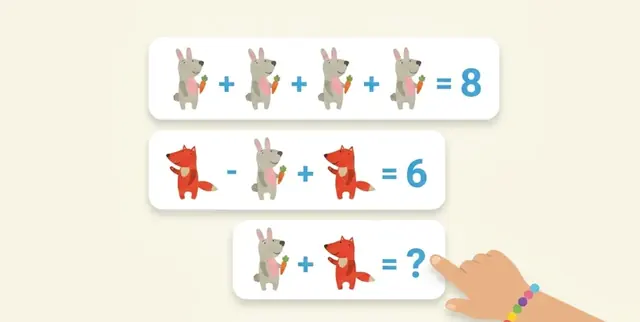
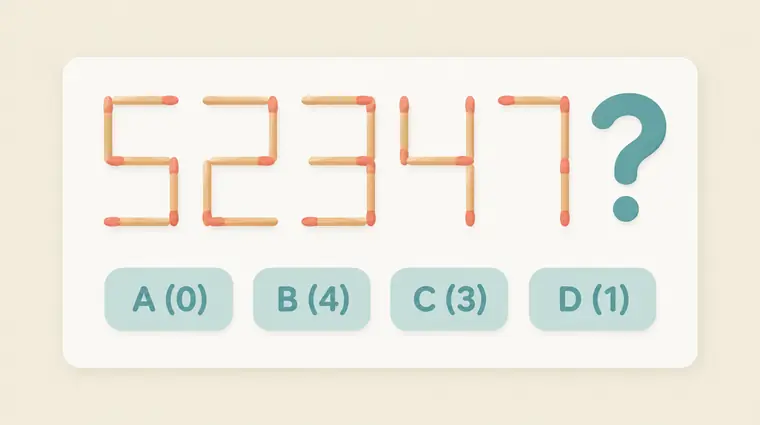
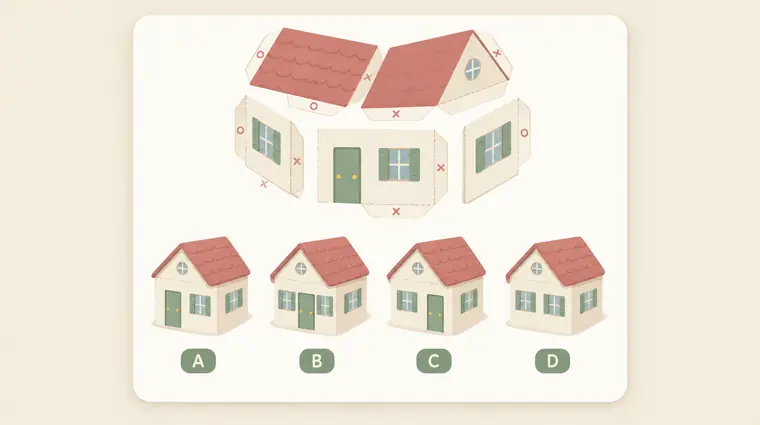
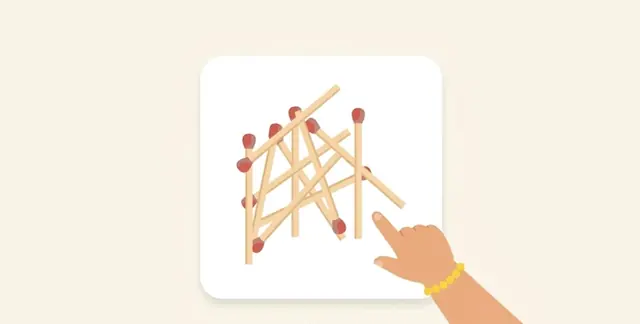
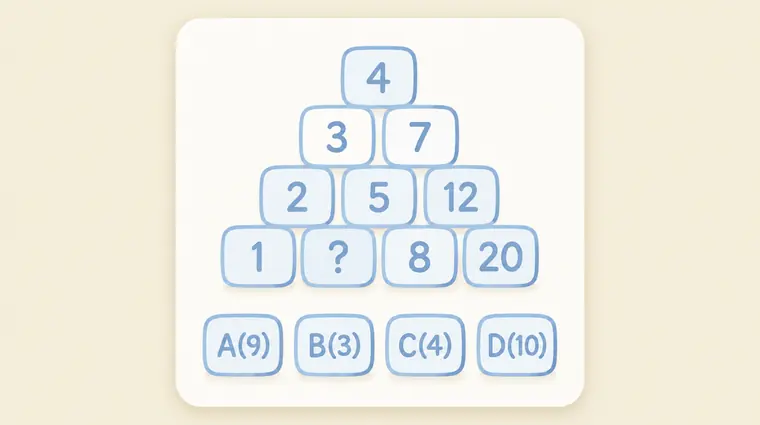
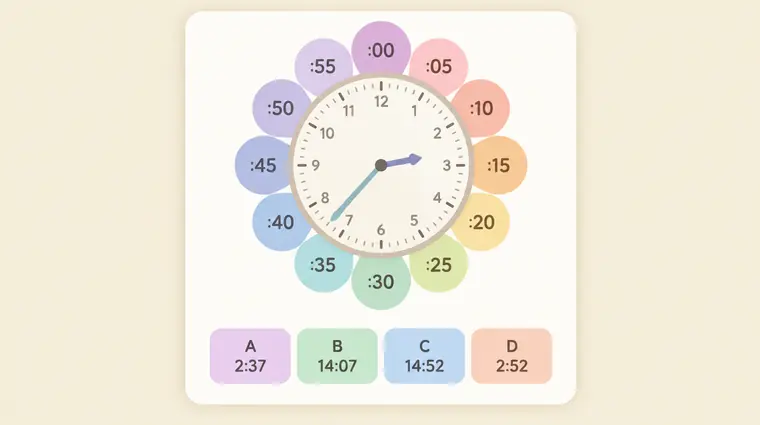
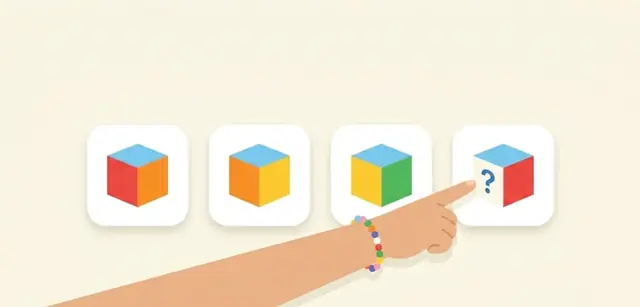
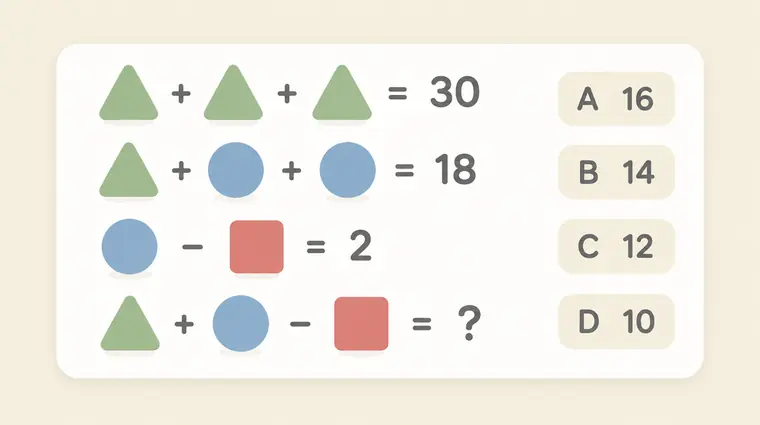
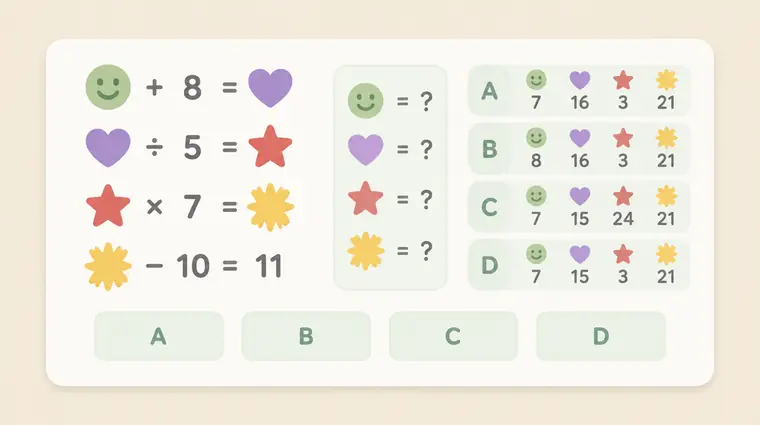
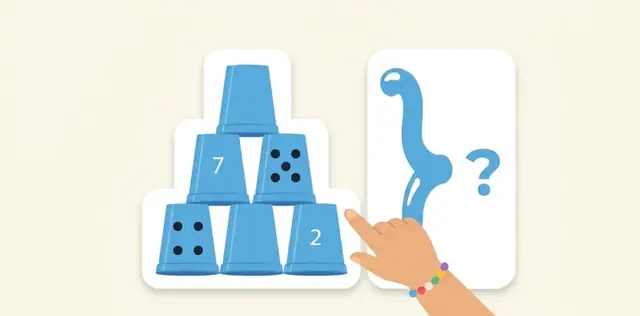
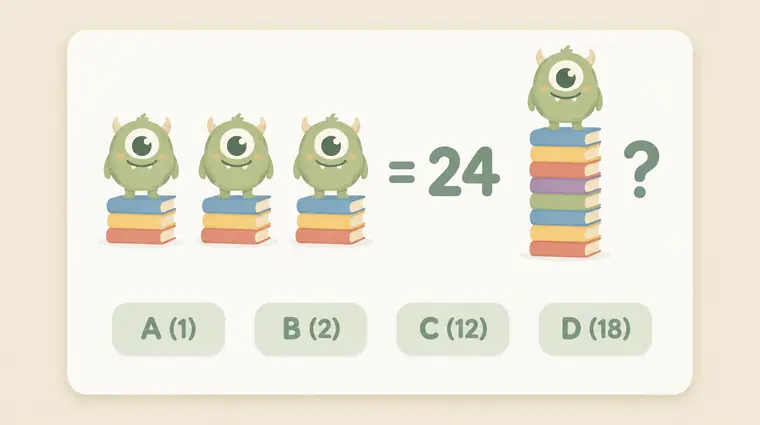
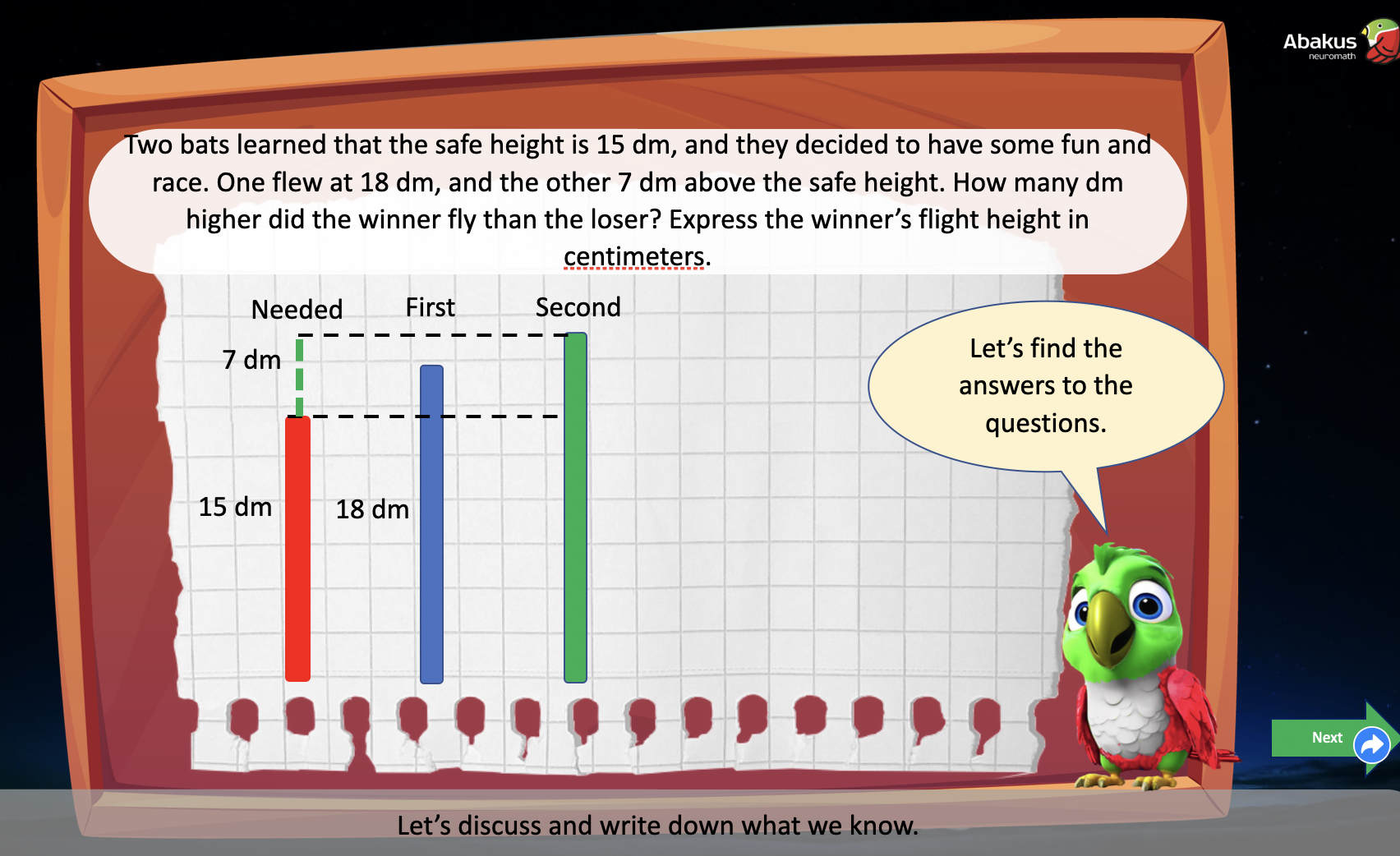
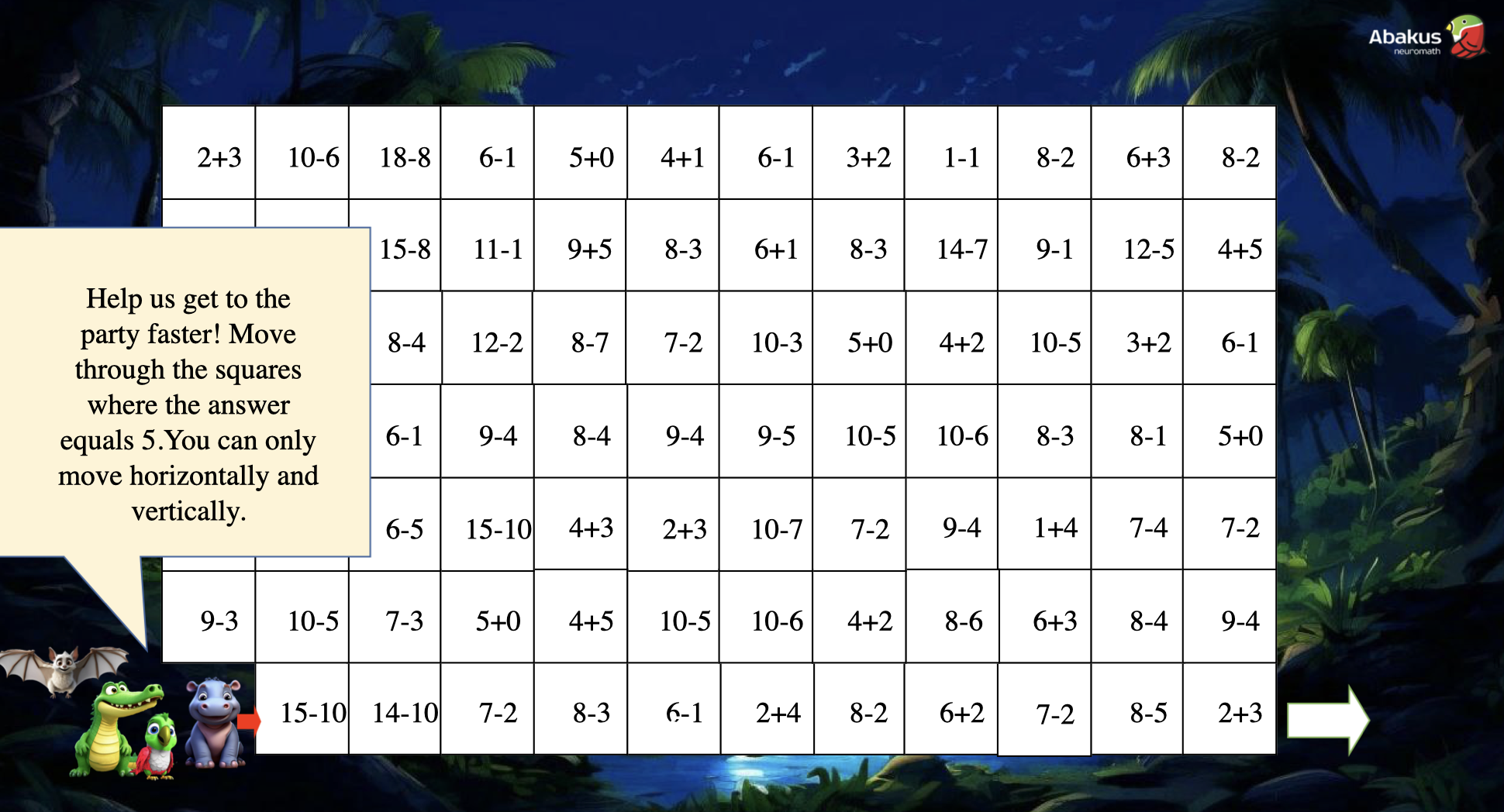
A few tasks from Abakus lessons — the same skills MAP tests, inside a quest.
Invisible in the tasks
MAP runs 40–60 minutes. Staying sharp to the last question is a skill — we train it every lesson. We call it intellectual endurance.
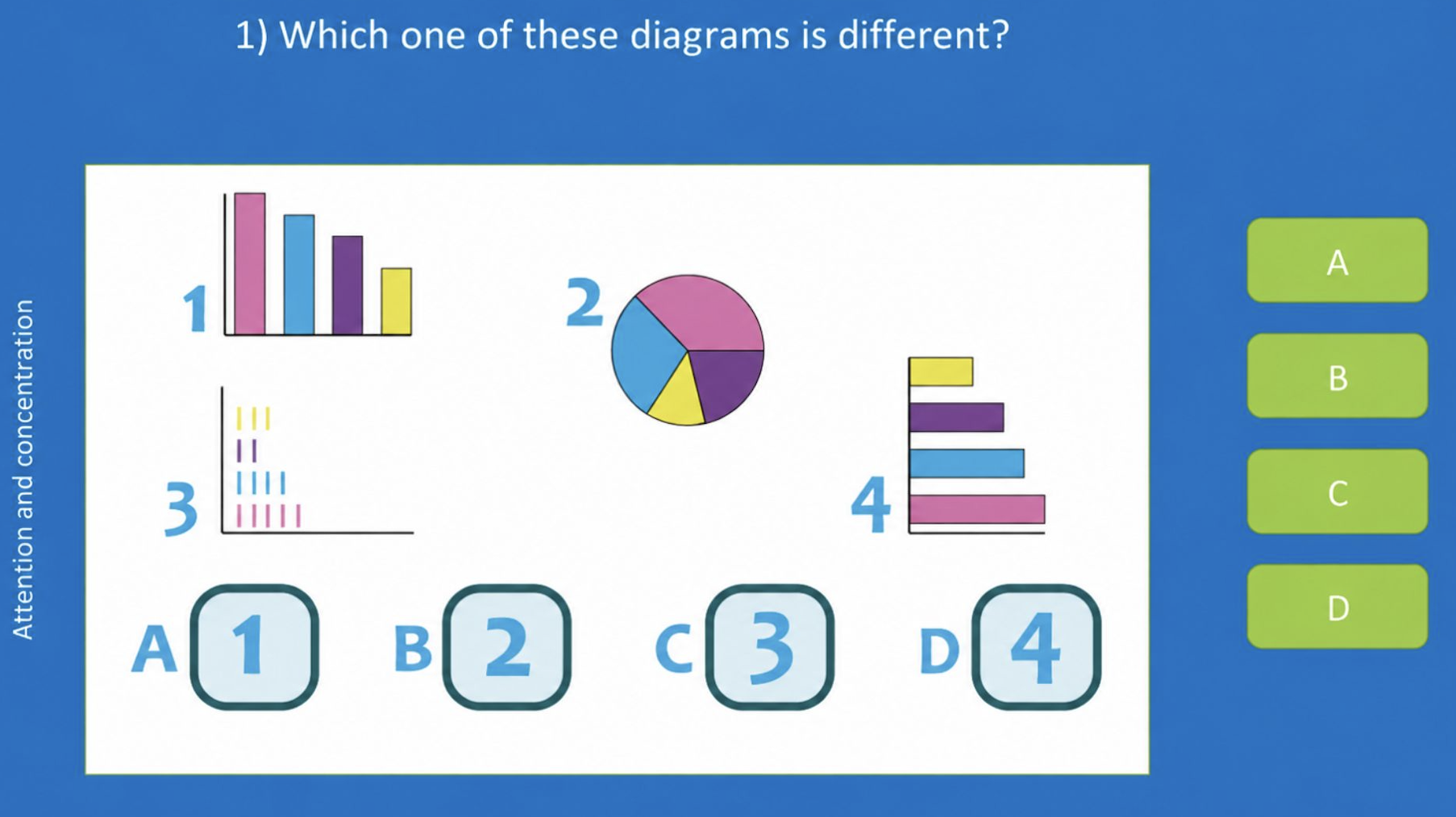
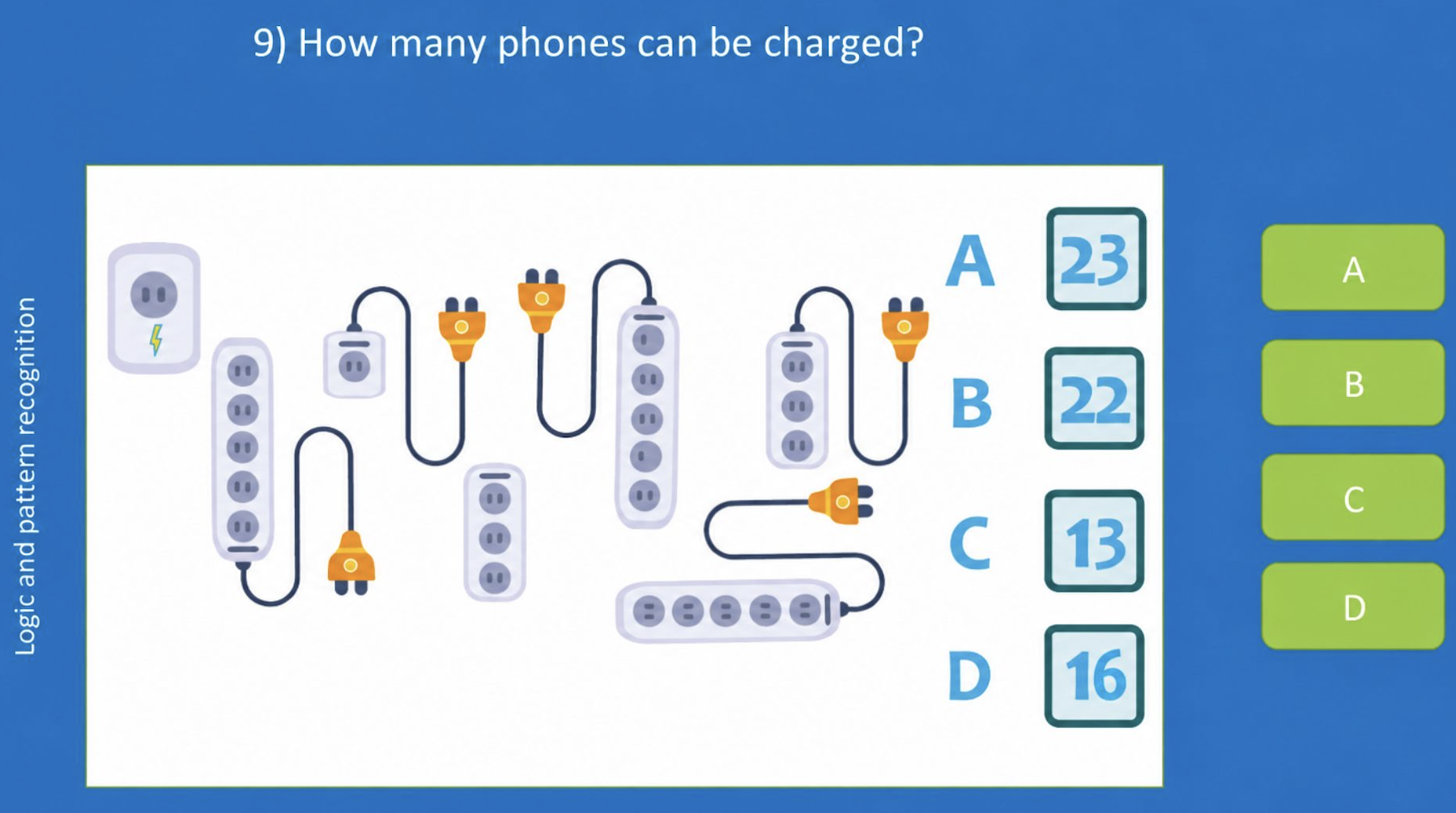
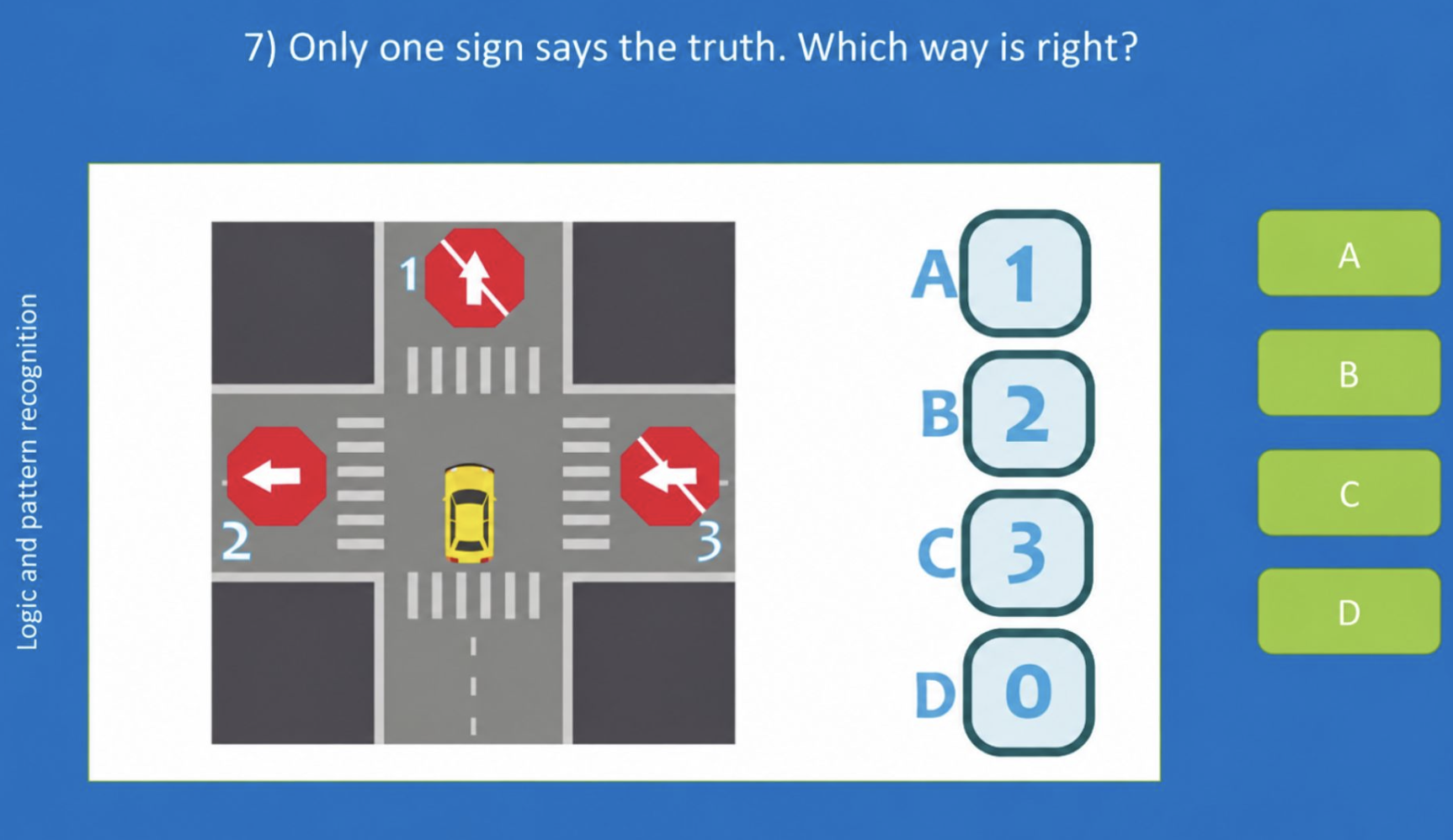
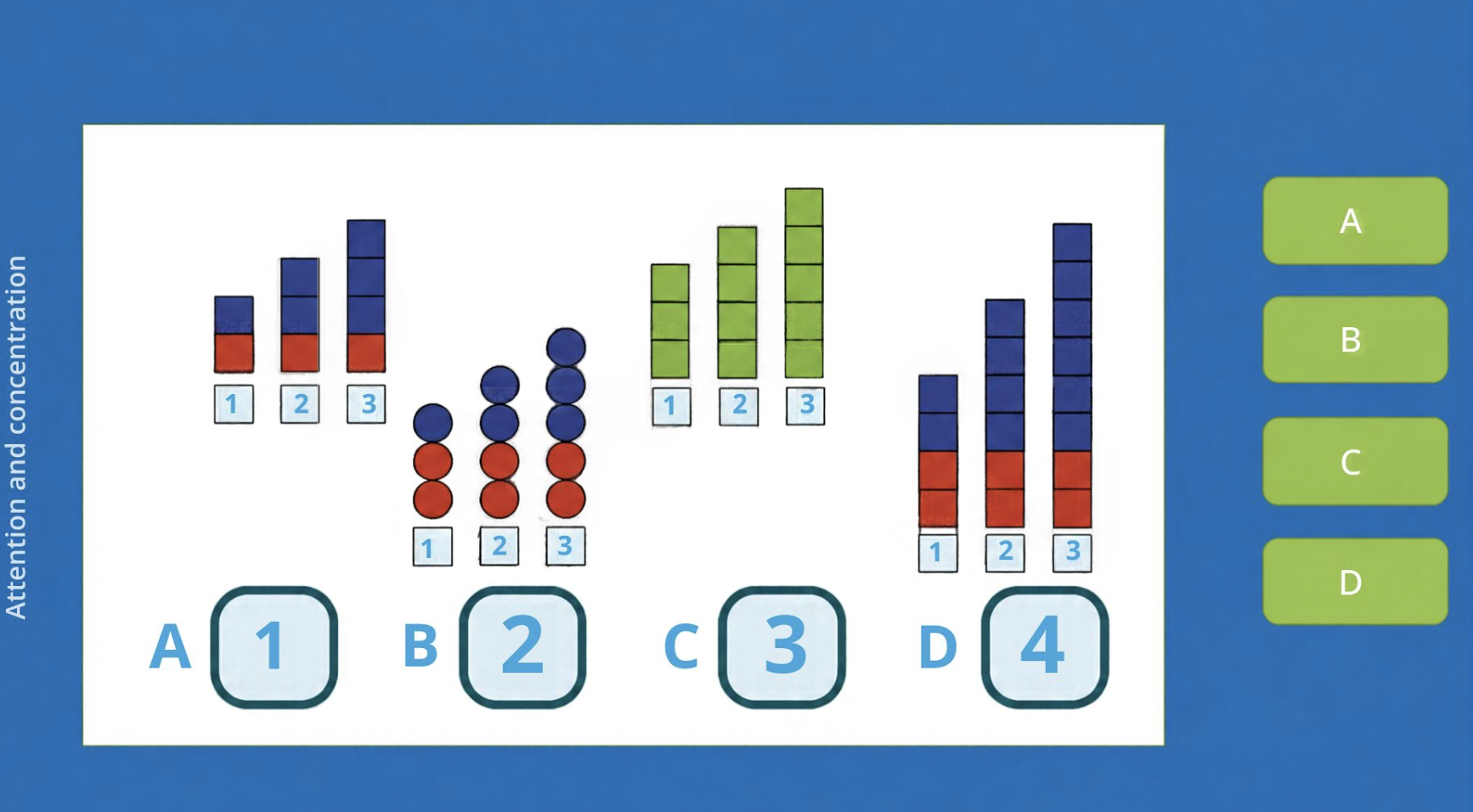
Abakus math tasks help your child prepare for the MAP test. The tasks above are taken from the Abakus Olympiad.
No stress — and no effort from you
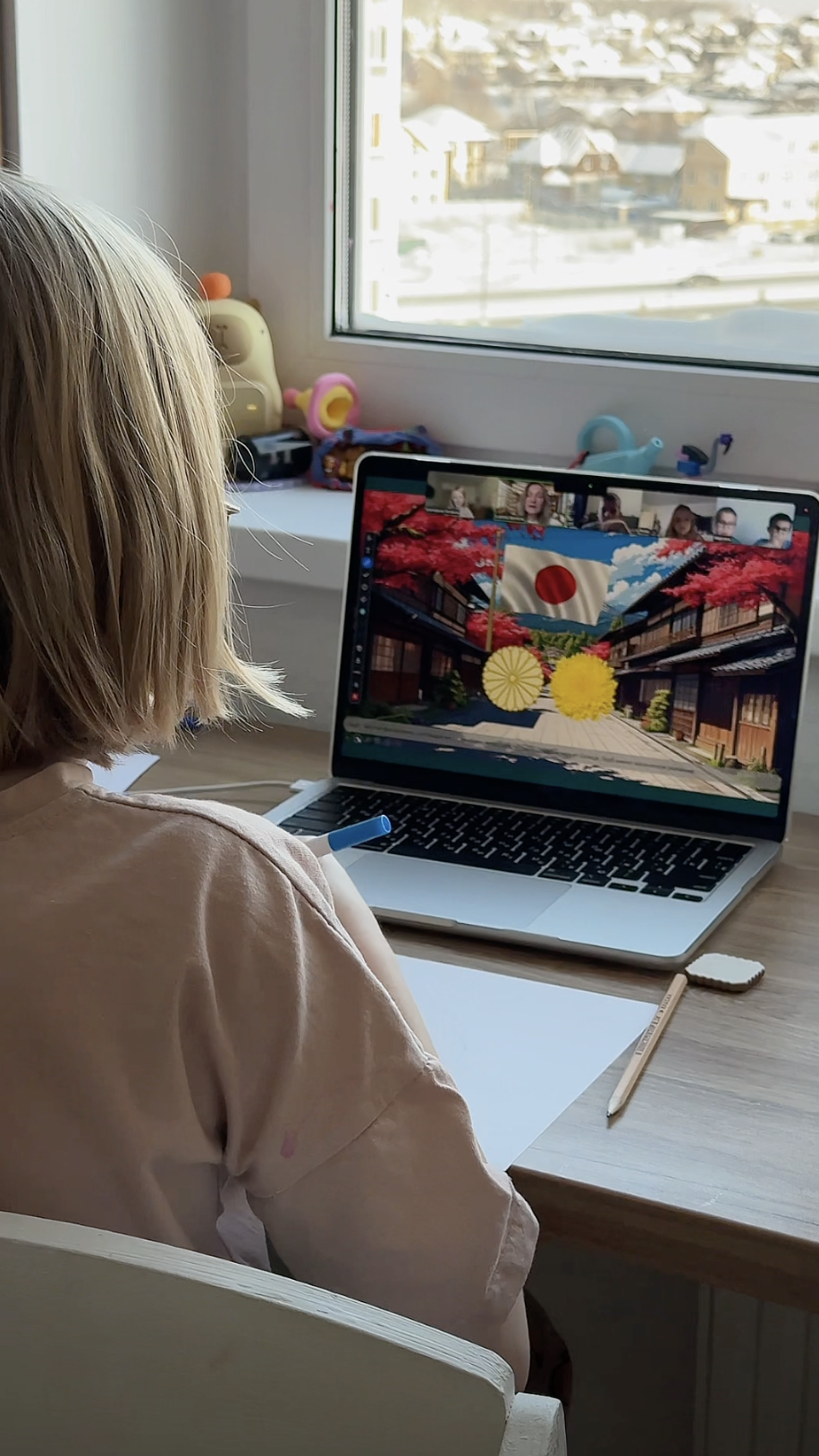
No homework, no parent at the table. Every three months your child gets a neuro-quest result — put it next to fall, winter and spring MAP and you'll see both curves.
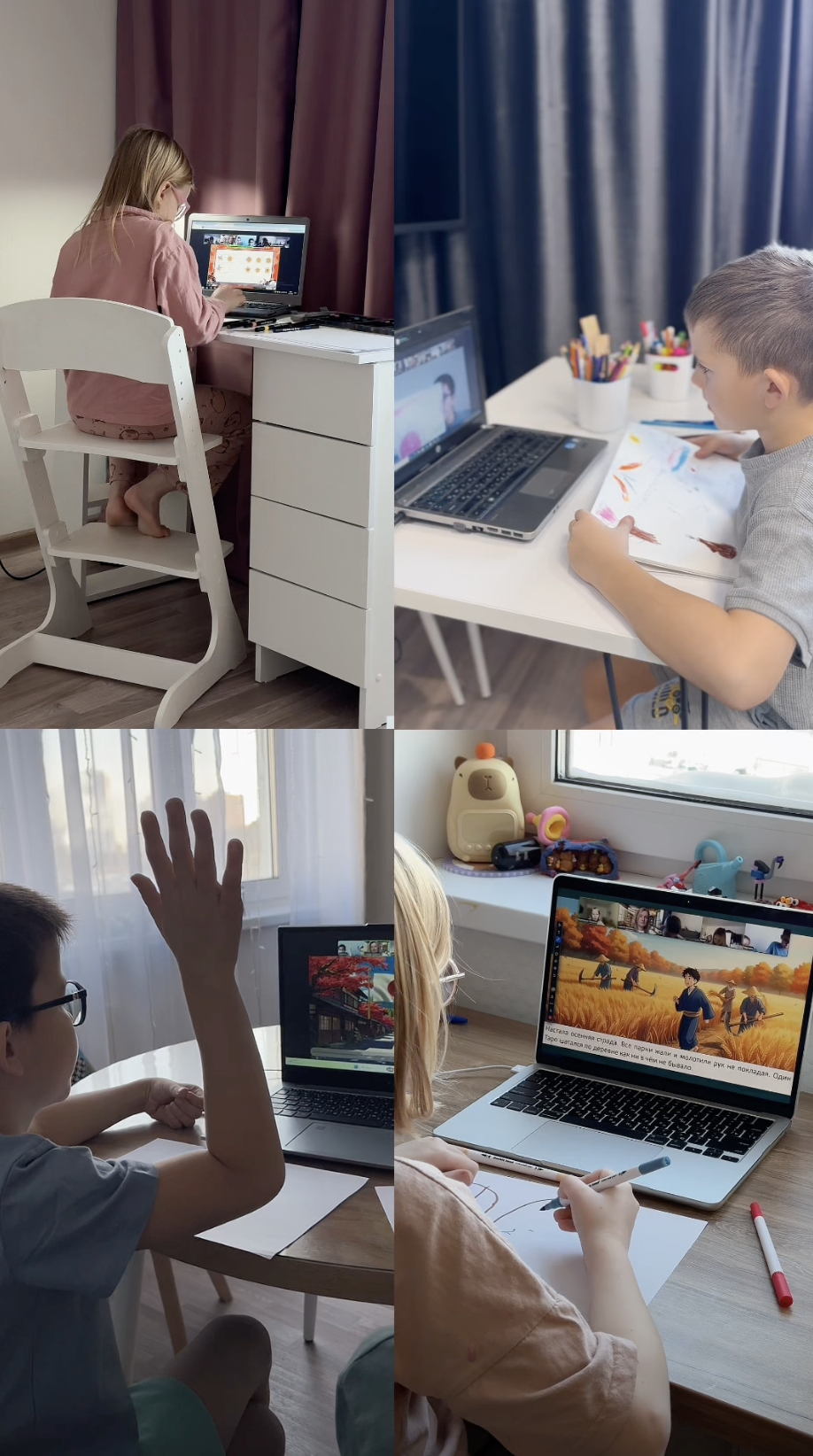
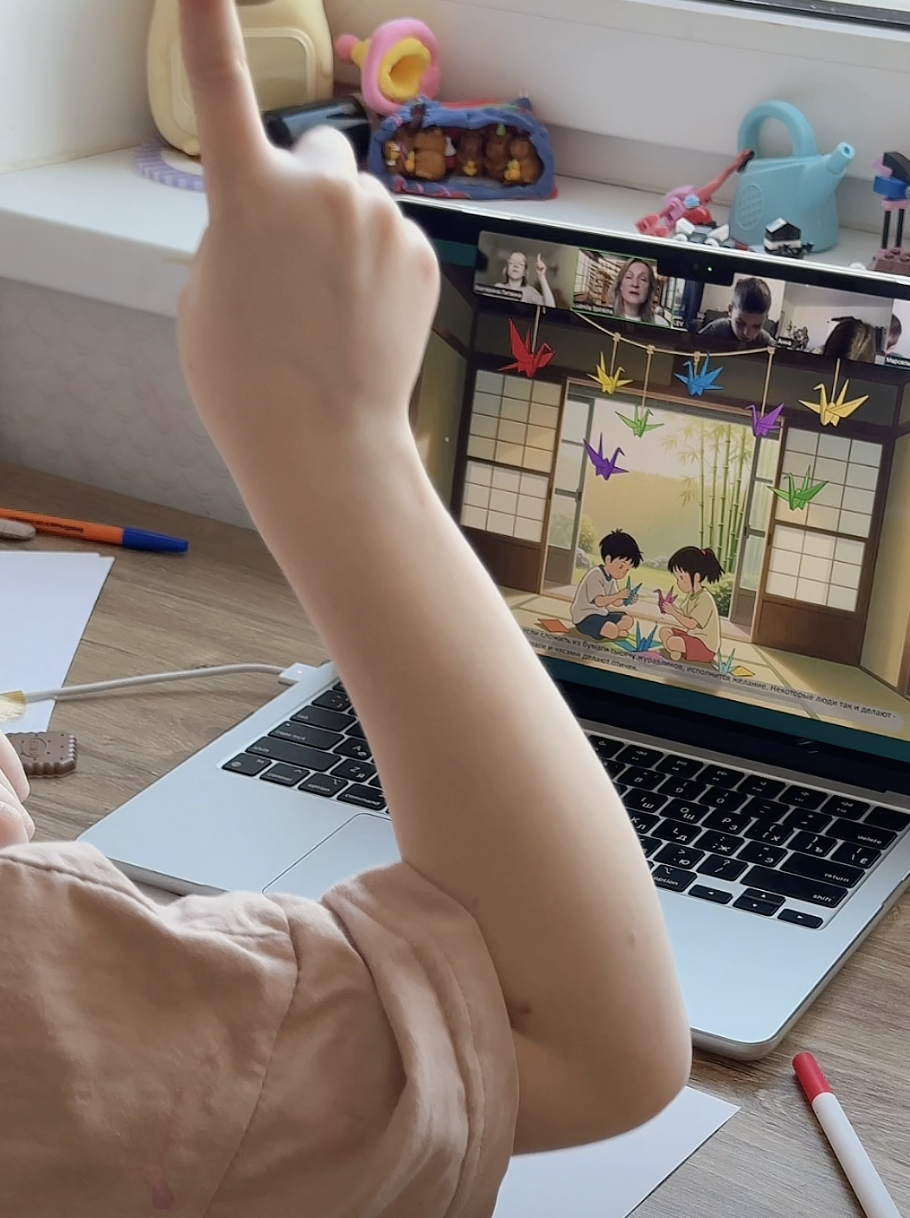
Better than worksheets and drilling
The teacher asks “Why did it work?” instead of just checking the answer.
A story gives your child a reason to finish the hard one.
Schedules, receipts, menus, charts — the same contexts MAP uses.
The program follows your child's level and pace, not a group average.
Online, one-on-one with a teacher-coach
Preparatory
Ages 5–6.5
Numbers to 100 and 3-digit, clocks, rulers, money, first word problems, sudoku
9 months, 2× a week, 25 min
Level 1
Ages 7–8
Equations, multi-step problems, units of measure, ciphers
9 months, double lesson 1× a week
Level 2
Ages 8–9
Multiplication with remainders, fractions, perimeter and area, coordinates, charts
9 months, double lesson 1× a week
Level 3
Ages 9–11
GCD and LCM, proportions, combinatorics, motion and cost problems
9 months
Mental arithmetic is an optional extra track. International online Olympiad from the school once a year.
Next step
Book a demo lesson — the teacher sees your child's level, free.
Free trial lesson before payment. Meet the teacher, see how your child reasons.
Start at the level that matches your child's skills, not their age.
Abakus — a school of NeuroMath and logic: 11 years, 68,000+ students, online and offline centers in many countries. Checked against RIT Reference Charts (NWEA, 2019) and NWEA 2026 norms. MAP and MAP Growth are trademarks of NWEA; Abakus is not affiliated with NWEA and does not guarantee a specific score.
Inside every lesson
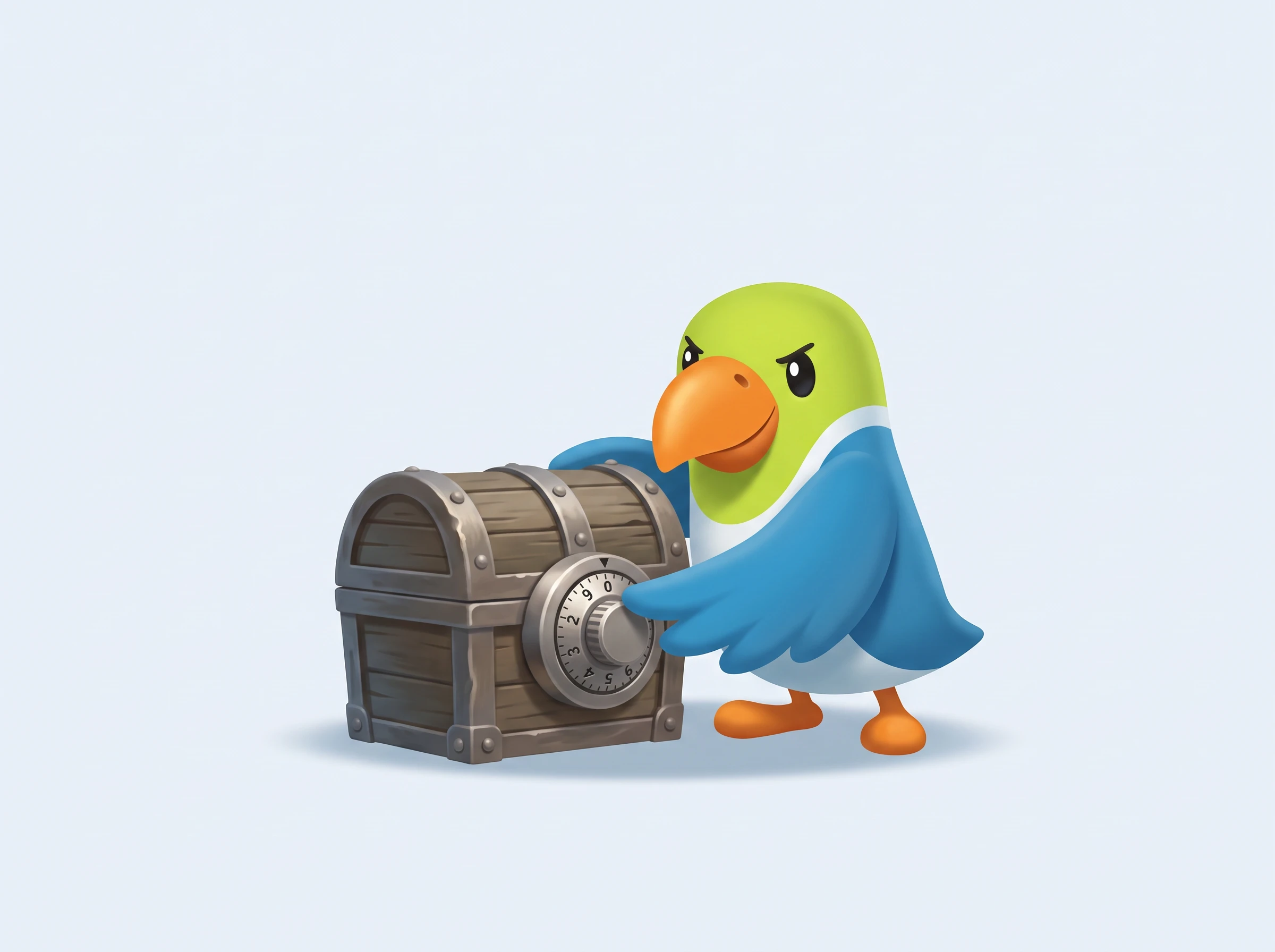
The parrot takes your child somewhere new every lesson — and the math comes with it.

Warm-up
Two minutes of brain games to switch on.
Challenges
Codes, mazes, puzzles — the story moves only when they're solved.
Rewards
Badges, abaks and a trophy at the finish.

Our own teaching method · teachers trained in the Abakus approach · in-person centers in different countries
Answer 5 quick questions and we’ll find a teacher, time, and lesson format for you.